
Aging in Place Solutions
Helping seniors remain safe, comfortable, and confident at home.
Explore practical solutions and plan ahead with confidence.
Understanding the Basics
What Does Aging in Place Mean?
Aging in place means living safely and comfortably in your home as your needs change over time. It often includes thoughtful planning to support your well-being and independence.
Mobility & Accessibility
Adapting your home to support safe, easy movement as needs evolve.
Home Safety & Fall Prevention
Identifying and reducing risks to keep your living space secure.
Ease of Daily Activities
Simple modifications that make everyday tasks more comfortable.
Peace of Mind for Families
Knowing your loved one is safe, supported, and thriving at home.
Long-Term Comfort
Building a plan that grows with you for lasting independence.
Aging in place does not require making decisions all at once. Small, proactive steps often make the biggest difference.

Common Questions
Common Aging in Place Concerns
Many seniors and families share similar questions when considering aging in place. These are important questions — and addressing them early can help prevent rushed decisions later.
A home safety assessment can identify potential risks like loose rugs, poor lighting, or inaccessible bathrooms. Many modifications are simple and affordable, and addressing them early prevents accidents.
Common modifications include grab bars in bathrooms, improved lighting, stair rails, non-slip flooring, and wider doorways. The right changes depend on your specific situation and can be implemented gradually.
Start small. Focus on one area at a time — perhaps the bathroom or entryway. Having a conversation with family or a trusted advisor can help break the process into manageable steps.
Independence and safety are not opposites. The right modifications and support systems actually enhance independence by making it easier and safer to do things on your own terms.
The earlier, the better. Including family in calm, proactive conversations — before a crisis — leads to better outcomes and less stress for everyone involved.
Be Proactive
Thoughtful Planning Makes Aging in Place Easier
Successful aging in place often focuses on prevention, planning, and awareness, rather than reacting to emergencies. Planning ahead allows seniors to remain in control of their choices.
- Identifying safety risks before they become problems
- Improving accessibility and ease of movement
- Reducing fall hazards
- Understanding when support may be needed
- Creating a plan that adapts over time
Part of a Bigger Picture
When Aging in Place Is Part of a Larger Transition
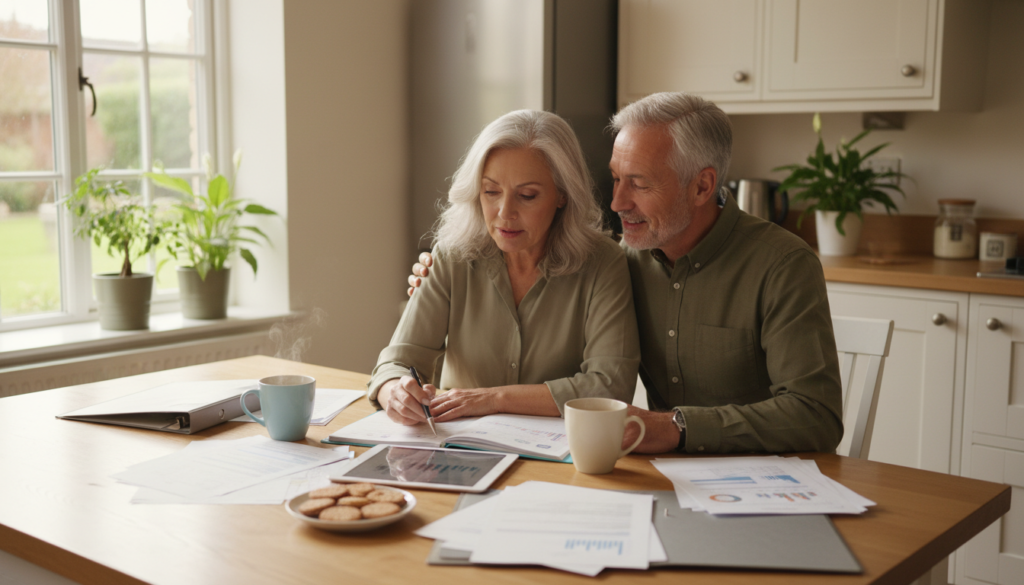
Sometimes aging in place is one part of a larger life transition. Families may be weighing multiple options — including downsizing, moving closer to family, or planning for future care needs.
Senior Downsizing Club™
Free Educational Resource
For seniors preparing to simplify belongings while staying in their home
- Step-by-step downsizing guidance
- Printable planning tools
- Gentle support at your own pace
The Senior Move Blueprint™
Structured Educational Program
When aging in place is being considered alongside other housing options.
- Understand timing and readiness
- Explore options calmly
- Plan without pressure
These resources are available when and if they feel helpful.
We’re Here to Help
When to Reach Out for Guidance
If you are unsure whether aging in place is the right option — or would like help understanding what steps make sense — guidance is available.
Think through safety and comfort concerns
Explore options without pressure
Plan ahead at a pace that feels right
Include family in calm, informed discussions
There is no obligation and no pressure to make decisions.
A Helpful Free Resource
Senior Transition Starting Point Guide
📄 A gentle, printable resource to help organize thoughts and prepare for family conversations. If you are just beginning to think about aging in place, this free guide is a great starting point.
Available anytime in the Resources section.
A Helpful Free Resource
Senior Transition Starting Point Guide
📄 A gentle, printable resource to help organize thoughts and prepare for family conversations. If you are just beginning to think about aging in place, this free guide is a great starting point.
Available anytime in the Resources section.
A Gentle Reminder
Aging in place is a personal choice — and it can look different for everyone. The most successful plans are flexible, informed, and built with care.
You deserve to feel safe, confident, and supported in your home.