


Aging in place is more than just a concept; it’s a lifestyle choice that empowers seniors to remain in the homes they love while maintaining their independence and dignity. For many, the idea of staying in a familiar environment surrounded by cherished memories is comforting. However, aging in place requires careful planning, modifications, and support to ensure that the home is both safe and comfortable.
In this blog post, we’ll explore what aging in place means, how to prepare your home, and the resources available to make this journey smoother for seniors and their families.
What Is Aging in Place and Why Is It Important?
Aging in place means living in your own home as you grow older, rather than moving to a senior care facility or nursing home. It’s a choice that prioritizes independence and familiarity, allowing seniors to retain control over their daily lives. For many, aging in place is not just a practical decision; it’s an emotional one.
The benefits are substantial. Staying at home helps seniors remain connected to their community, maintain their social networks, and continue their routines. It also has financial advantages, as the costs associated with assisted living facilities are often higher than the expenses of modifying and maintaining a home.
However, aging in place is not without challenges. Homes may need modifications to accommodate mobility issues, vision impairments, or other health concerns. Additionally, seniors may require support from caregivers, family members, or in-home care services as their needs evolve.
Creating a Safe and Accessible Home Environment
Safety is the cornerstone of aging in place. Most homes are not designed with senior needs in mind, but simple modifications can make a significant difference.
Eliminate Tripping Hazards
Tripping and falling are among the leading causes of injuries for seniors. To reduce these risks:
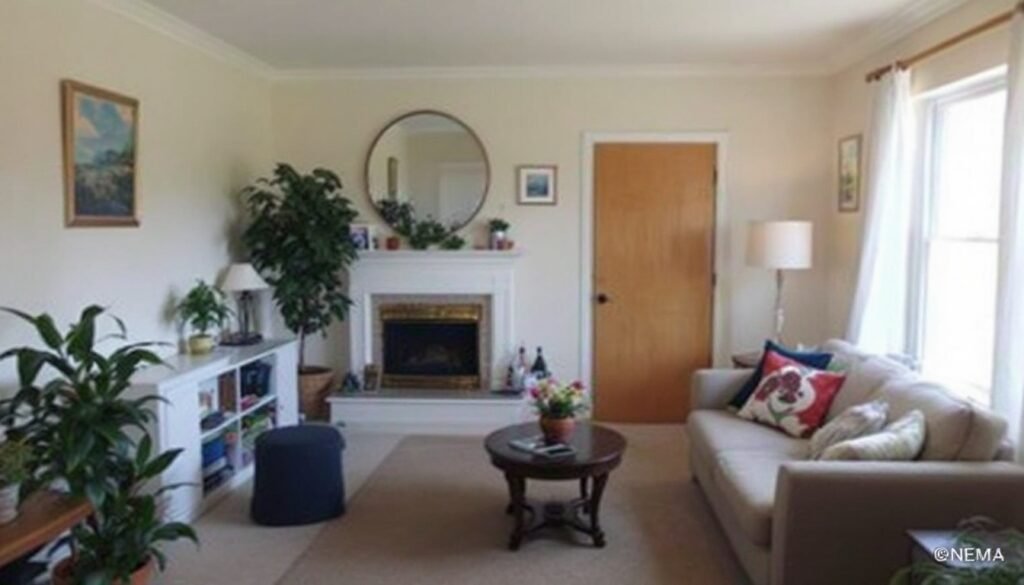
- Remove clutter, especially in high-traffic areas like hallways and living rooms.
- Replace loose rugs with non-slip mats or secure them with adhesive backing.
- Install proper lighting in stairwells, hallways, and bathrooms to improve visibility.
Install Grab Bars and Handrails
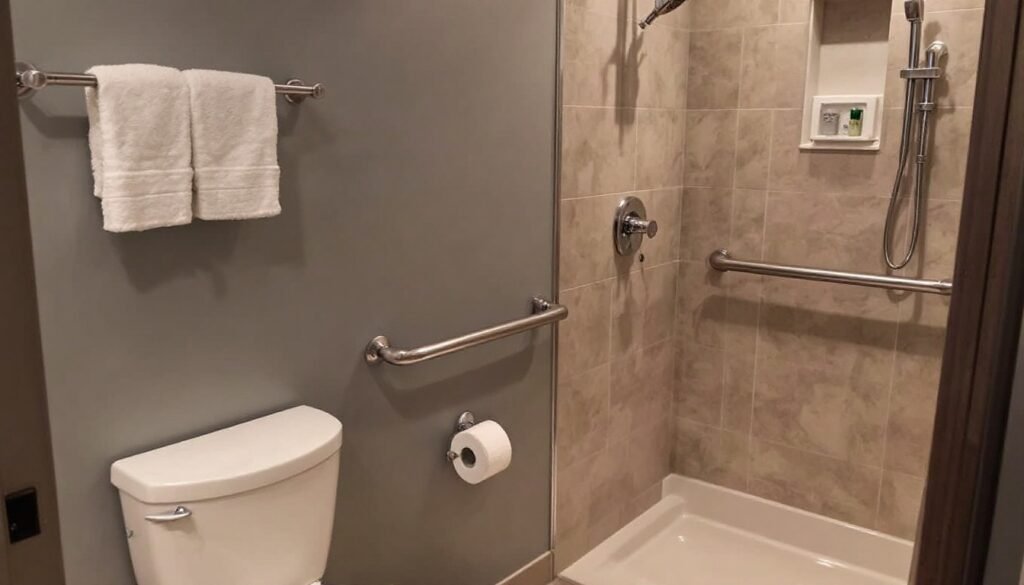
Bathrooms and staircases are areas of particular concern. Grab bars in showers, next to toilets, and along staircases provide the stability seniors need to navigate safely. Make sure the bars are professionally installed and can support significant weight.
Make Bathrooms Safer
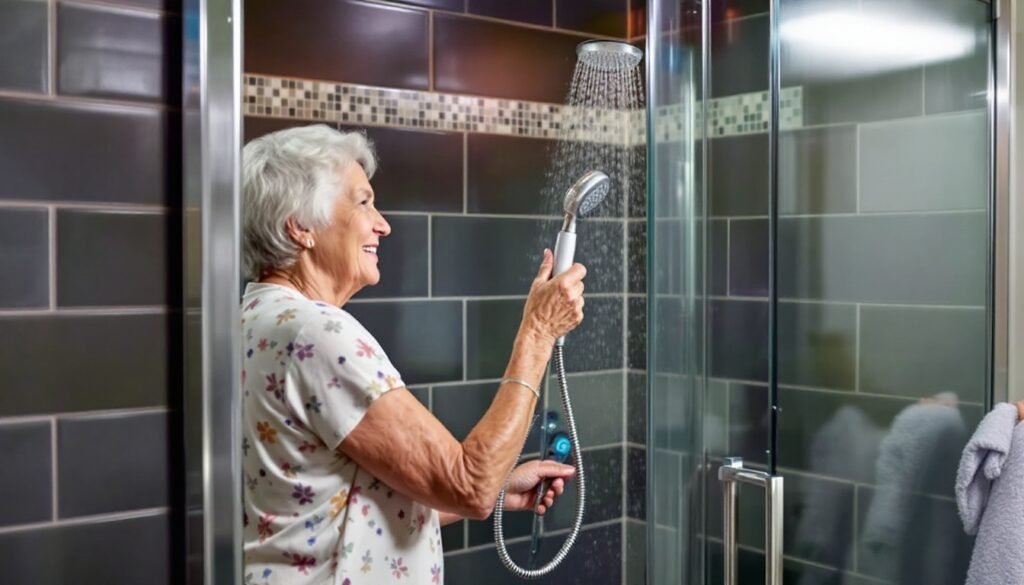
Slippery bathroom floors are a common hazard. Install non-slip mats in the shower and near the sink. Consider upgrading to a walk-in shower or tub, adding a shower chair, and using a handheld showerhead for convenience.
Adjust Doorways and Entryways
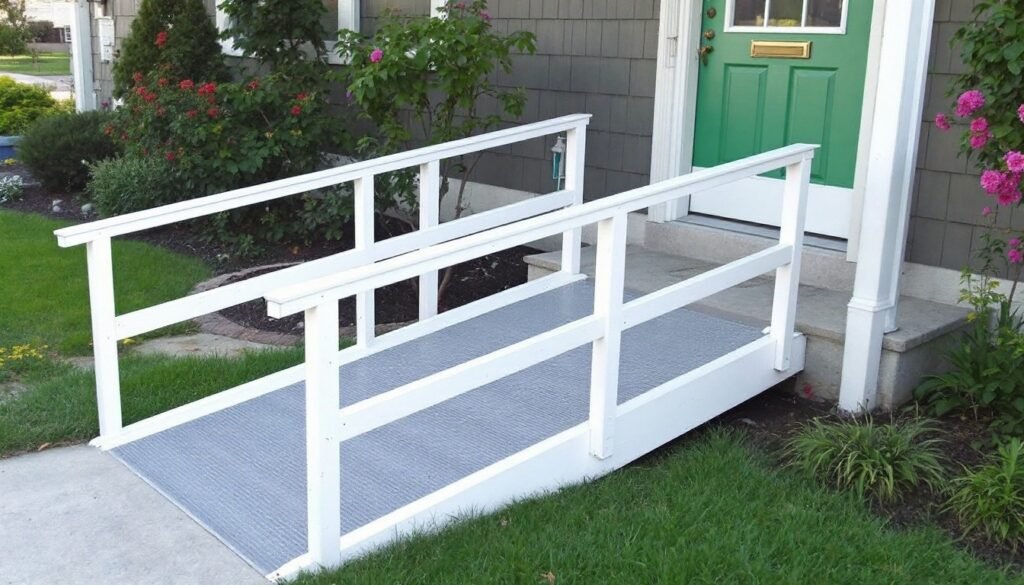
For seniors who use walkers or wheelchairs, standard doorways may be too narrow. Widening doorways and adding ramps instead of stairs can significantly improve mobility. Ensure that thresholds are flush with the floor to avoid tripping.
Upgrade Kitchen Features
Seniors often face challenges in the kitchen due to high shelves or difficult-to-use appliances. Store frequently used items within easy reach, use lever-style faucets, and consider upgrading to induction stoves, which are safer than traditional gas or electric ranges.

Technology for Aging in Place
Modern technology can be a game-changer for seniors who want to age in place. From smart home devices to medical alert systems, these tools make life easier and safer.
Medical Alert Systems
These wearable devices allow seniors to call for help with the press of a button. Many modern systems include fall detection, GPS tracking, and two-way communication. These features provide peace of mind for both seniors and their families.

Smart Home Devices
Voice-activated assistants like Amazon Alexa or Google Home can help seniors manage their schedules, control household devices, and even communicate with loved ones. Smart lighting, thermostats, and security cameras can also be controlled remotely by family members.

Medication Management Tools
Medication management systems, including automated pill dispensers and reminder apps, help seniors stay on track with their prescriptions. These tools are invaluable for preventing missed doses or accidental overdoses.

Planning Ahead: Financial and Emotional Considerations
Aging in place can be more affordable than assisted living, but it still requires careful planning. Home modifications, in-home care, and technology can add up, so it’s essential to budget accordingly.
Financial Resources
- Medicare and Medicaid: These programs may cover some medical equipment or in-home care services.
- Veterans’ Benefits: Veterans may qualify for financial assistance through programs like Aid and Attendance.
- Nonprofits and Grants: Organizations like Habitat for Humanity offer resources for seniors needing home modifications.

Emotional Support
Aging in place can be isolating without social interaction. Seniors should prioritize staying connected through hobbies, community activities, and visits with family. Families should check in regularly and involve seniors in decision-making to ensure they feel valued.

In-Home Care: When Is It Necessary?
Even with home modifications, some seniors may require additional support. In-home care services can assist with tasks like cooking, cleaning, bathing, and medication management. These services allow seniors to maintain their independence while receiving the help they need.

The Role of Families in Aging in Place
Families are essential to making aging in place successful. They can assist with home modifications, coordinate caregiving, and provide emotional support. Regular communication is crucial to ensure that the senior’s needs are being met.

Final Thoughts on Aging in Place
Aging in place offers seniors the opportunity to remain in their beloved homes while maintaining their independence. By addressing safety concerns, incorporating technology, and planning ahead, this option can provide peace of mind for both seniors and their families.
If you’re ready to explore aging in place, Senior Transition Hub is here to help. We offer home safety assessments, guidance on modifications, and resources for seniors and their families. Contact us today to learn more about how we can support your journey.